The Only 7 Metrics You Need to Improve ROAS in 2026
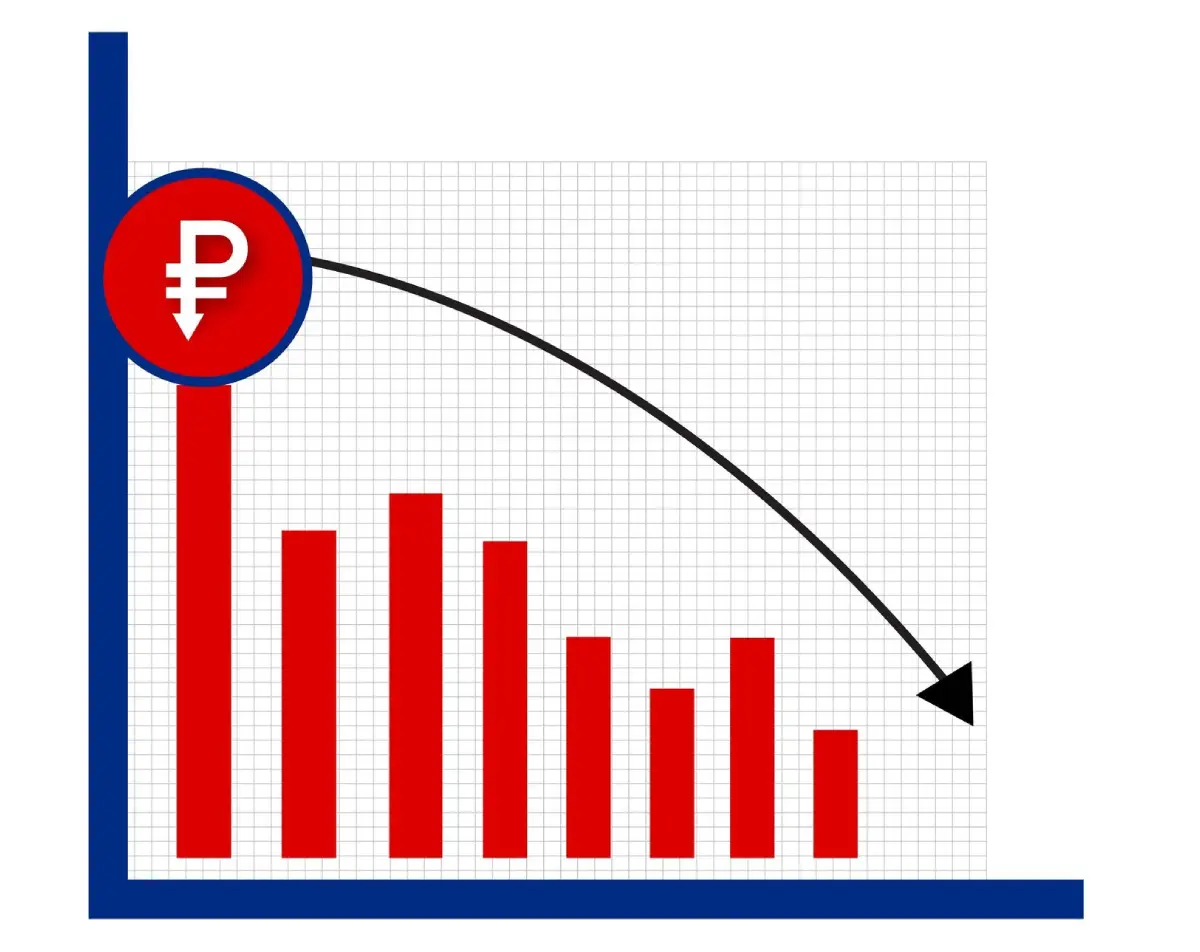
You wake up, check your ad dashboard, and you see nothing. You are spending thousands, maybe tens of thousands, on ads every month, and yet the needle barely budges on the revenue. You see your ROAS flatlining, your boss asking for a miracle, and your gut screaming, “Why isn’t this working?”
Well, if you are nodding yes to all these, you aren’t alone. Many marketers are trapped measuring the wrong stuff (e.g., likes, impressions, and reach), while the real drivers of revenue hide in plain sight. However, here’s the shake-up: In 2026, improving ROAS isn’t about tracking everything; it’s about tracking the right seven metrics. You nail these to stop guessing and start profiting from your hiking ROAS like you are supposed to.
So, let’s break them down in a way that’s actually fun to read and easy to apply!
- ROAS Itself (But With a Twist)
There’s no denying that ROAS is crucial, but hold up, because there’s simple ROAS, and then there’s smart segmented ROAS. What most people do is that they look at a single ROAS number and call it a day, but that is misleading because that number lumps all campaigns together.
You could have one campaign blowing up profits while another drains your budget, and the biggest setback is that you would never know. This is why you need to segment your ROAS by channel, campaign type, and even audience group.
Example:
- Search ads: 6x
- Social ads: 2x
- Retargeting: 8x
Boom! Now you know where the real marketing goldmine is. Compare that to the industry benchmarks, e.g., Google Ads commonly hits around 3.3x ROAS on average, while Meta sits closer to around 2.2x across industries in 2025 data sets.
When you segment like this, you can stop averaging out your success and start cultivating it!
- Conversion Rate (CR)
Conversion rate tells you how many people who see or click your ad actually convert, i.e., buy, sign up, download, etc. It is critical because you can lower your spending or boost your revenue without spending more if people just convert more often.
In fact, improving conversion rate is often the fastest way to lift your ROAS for the following reasons:
- Better landing pages = higher conversions
- Better audience targeting = higher conversions
- Better creative = higher conversions
Even a small bump here can supercharge your ROAS because you are not throwing more cash at the same leaky funnel.
- Customer Acquisition Cost (CAC)
You might spend a dollar on ads, but how much did it cost you to get that customer? That’s where CAC comes in. This is a metric that large-scale advertisers watch like a hawk because:
- If CAC is creeping up, your ROAS tanks, and the money out rises, but
- If CAC drops, your ROAS rises even without changing revenue
You can think of CAC as the thermostat of your spending. If it’s too high, you are losing money, even if your ROAS number looks good.
Our tip? Don’t just watch average CAC, watch new customer CAC vs returning customer CAC because new customers tend to cost more. Monitoring this tells you if your campaigns are actually scaling profitably or just recycling old buyers.
- Average Order Value (AOV)
Do you want better ROAS without spending more? The answer is to raise the per-order revenue. AOV is a little sneaky because AOV doesn’t tell how someone converts, but it tells you how much they bring in. Higher AOV means every conversion contributes more revenue, which pushes ROAS upwards. Some smart ways to improve AOV in 2026 include:
- Bundles and cross-sells
- Tiered pricing
- Urgency messaging
- Loyalty rewards
Even a tiny lift like 7-10% in AOV can dramatically push your perceived ad performance without changing your ad strategy at all.
- Click-Through Rate (CTR)
CTR is the ratio of people who see your ad and then actually click it. This matters because:
- High CTR = more qualified traffic
- More qualified traffic = better conversion rates
- Better conversions = better ROAS
However, CTR isn’t just about being flashy; it’s about relevance. We are past the era of the “pretty ads win” phase. In 2026, the ads that perform are relevant, contextually customized, and audience-tuned. You can think of CTR as your “first impression score,” and if no one’s curious enough to click, nothing else matters.
- Customer Lifetime Value (CLV or LTV)
If all you are doing is looking at immediate revenue from ads, you are missing the big picture. CLV tells you how much a customer will spend over their lifetime with you, not just on their first purchase. Imagine this:
| Metric | Value |
| First purchase revenue | $50 |
| Repeat purchases over 12 months | $175 |
| Customer lifetime revenue | $225 |
Your ROAS might seem mediocre at first glance, but if you factor in the long-term revenue a customer brings in, suddenly those ad dollars look like gold. This metric is a real game-changer, especially for subscription businesses and repeat-purchase e-commerce brands.
- Attribution Accuracy
If you are measuring the wrong touchpoint as the conversion driver, your ROAS is a lie. Traditional “last-click” attribution is dying. Customers engage with ads on TikTok, search on Google, click on an email, and finally buy. If you only credit the last click, you are not seeing the real ROI.
In 2026, sophisticated attribution models like data-driven and multi-touch attribution are the norm. These give you:
- A clearer picture of how channels contribute
- Insights on what actually moves the needle
- Better budgeting decisions
Without accurate attribution, you might be overspending on channels that don’t truly drive revenue. It’s like steering a ship by reading yesterday’s weather report. Not great.
How to Actually Use These Metrics Without Losing Your Mind?
Now, before you open ten dashboards, drown in spreadsheets, and swear off marketing forever, let’s talk practicality. The biggest mistake marketers make isn’t tracking too few metrics… It’s trying to optimize all seven at once. That’s a fast track to confusion, not higher ROAS. Here’s the smarter way to use these metrics in 2026:
Pick one “primary” metric per quarter.
For example:
- If ROAS is dipping- focus on CAC and Conversion Rate
- If traffic is high but revenue is flat- focus on AOV
- If ads look expensive- zoom into CTR and attribution
- Everything else becomes a supporting metric, not a distraction.
Also, remember this golden rule: metrics don’t improve in isolation, systems do.
- A better landing page improves CR and CAC.
- Better creatives improve CTR and ROAS.
- Stronger retention boosts CLV and long-term profitability.
One final mindset shift: don’t chase “perfect” numbers, chase directional improvement. A steady 5-10% lift across a few of these metrics will outperform dramatic one-time wins every single time. ROAS in 2026 isn’t about hacks; it’s about focus, consistency, and knowing exactly which lever to pull next.
Ready to Start Improving Your ROAS in 2026?
Improving these metrics doesn’t always require more ad spend; it often requires better strategy. When you pay attention to what actually affects revenue, everything else stops feeling like guesswork. Your next step? It would be to pick one metric from this list that’s currently under-measured in your campaigns and start optimizing it this week.
Trust us, your CFO is going to love you for it!