7 Actionable PPC Tips for Higher Returns
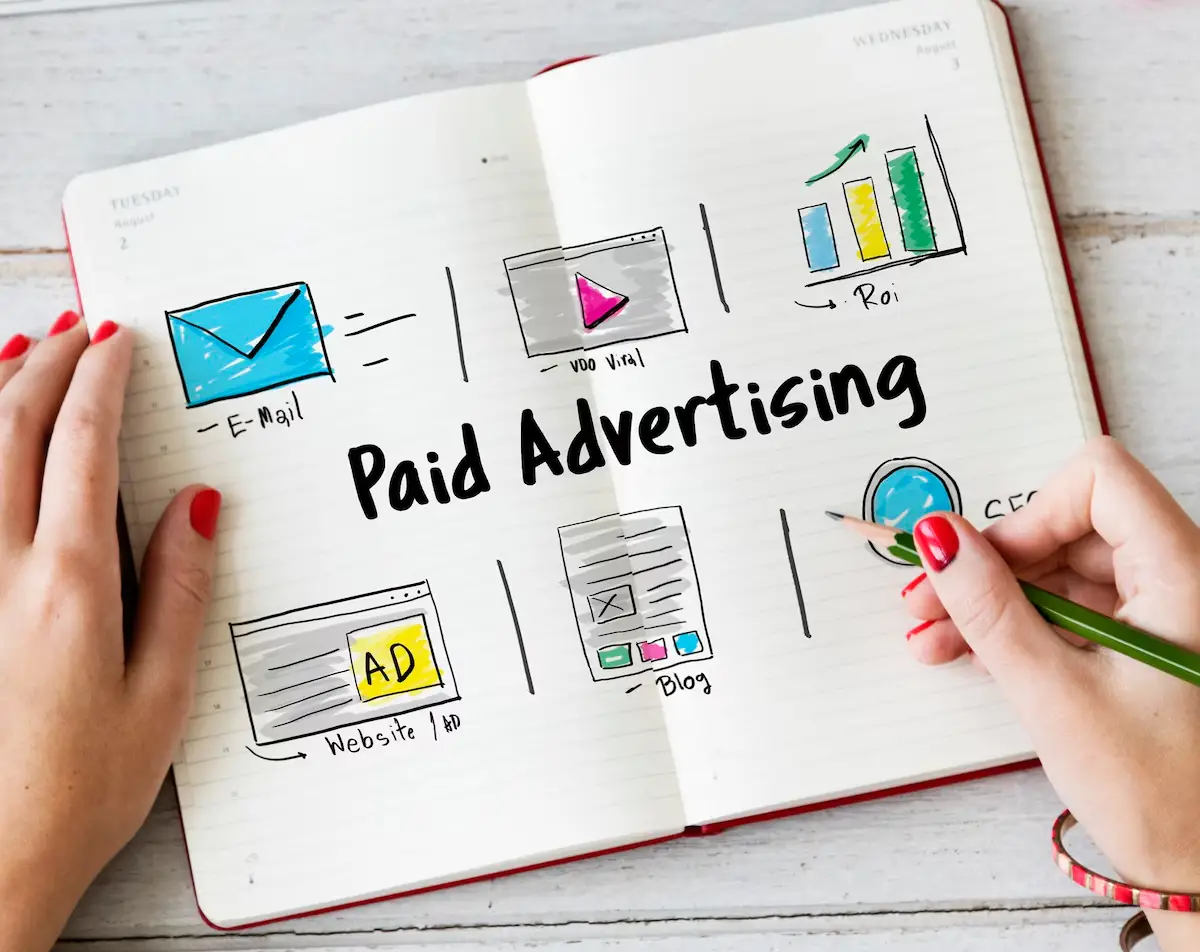
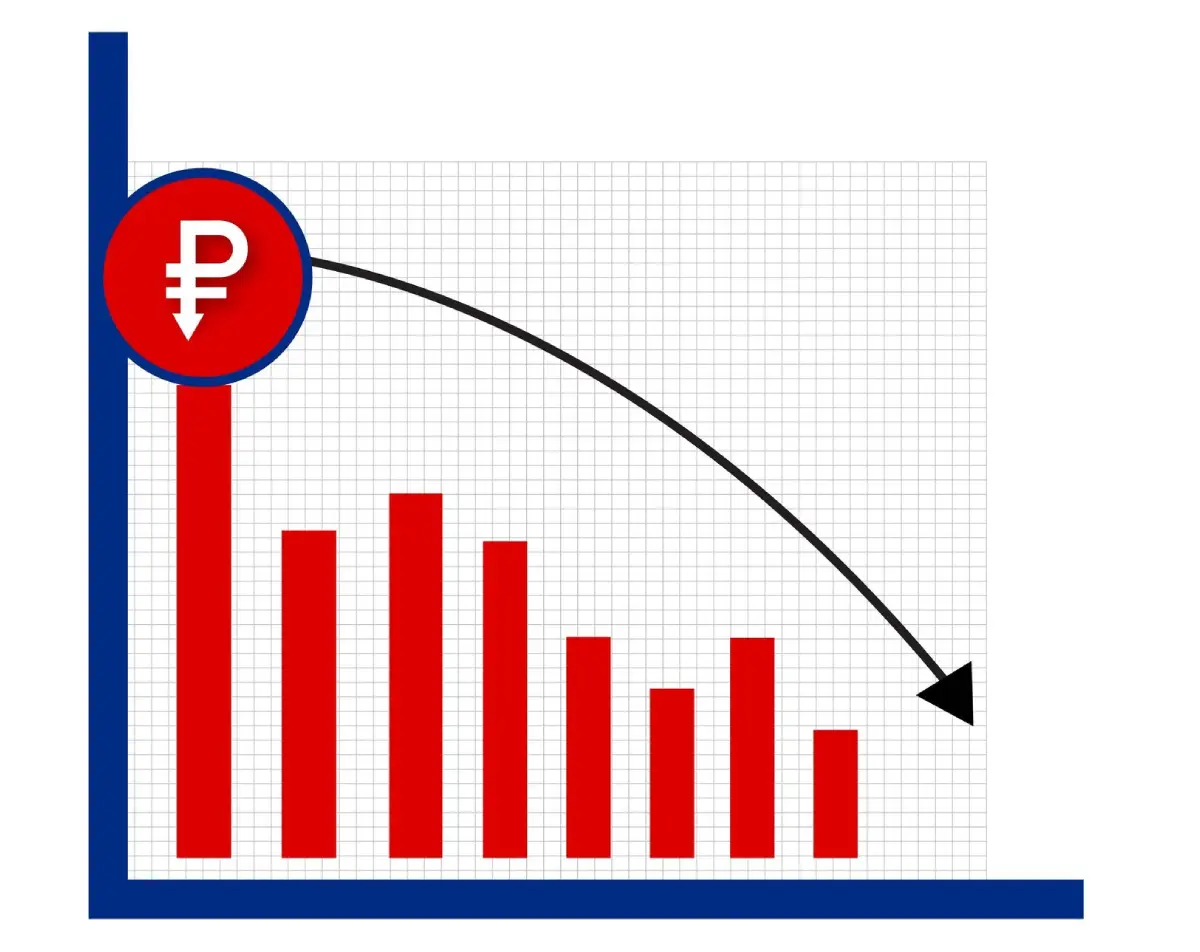
You are spending money on PPC, clicks are coming in, and the reports look busy, but when you look at the actual returns, your stomach sinks, and you start thinking:
“Why is my cost-per-click so high?”
Why are people clicking but not converting?”
“Is PPC even worth it anymore?”
If you have asked yourself any of these questions, the truth is you aren’t bad at marketing; you are just doing what most advertisers do: running PPC without a real performance strategy. The good news is PPC still works brilliantly, but only when it is done right. So, we compiled a guide with some actionable PPC insights that actually move the needle towards the positive end of ROI. Let’s dive in!
Tip #1: Stop Chasing Traffic, Chase Intent
Here’s a hard truth: Not all clicks are built the same way. A person searching for “What is PPC advertising” is curious, but a person searching for “hire PPC agency for ecommerce” is ready to make the purchase. If your ads are targeting informational keywords, you are paying for interest, not intent. Instead, here’s what you should do:
- Focus on high-intent keywords like:
-
- “Buy”
- “Hire”
- “Pricing”
- “Near me”
- “Best for”
- Use exact match and phrase match more aggressively
- Separate research keywords from conversion keywords
Fewer clicks mean higher quality traffic, and this means better ROI. Always remember:
10 buyers are better than 10,000 browsers.
Tip #2: Your Ad Copy Should Answer “Why You?” in 3 Seconds
Most PPC ads fail for one simple reason: They sound like everyone else with words like:
- “Best services”
- “Affordable pricing”
- “Trusted experts”
Boring, right? Your audience is scrolling fast, and if your ad doesn’t answer why they should choose YOU instantly, it’s ignored.
How to write ads that get clicked?
- Call out a specific pain point
- Highlight one strong differentiator
- Use numbers or outcomes when possible.
Example:
Bad ad: Get professional PPC services
Better ad: Cut wasted ad spend by 30% | Data-driven PPC experts
Did you notice the difference? Your ad isn’t a brochure; it’s a hook, and you need to nail it every time if you want real, measurable results.
Tip #3: Match Your Landing Page to Your Ad
If your ad talks about “Free PPC Audit,” but your landing page talks about “Full-service digital marketing,” it’s a great disconnect. Google rewards relevance, and users reward clarity. You can fix this gap with the following tips:
- Place one ad group in one clear landing page
- Repeat the same headline from the ad on the page
- Remove distractions (menus, unnecessary links)
If your ad says, “Get a Free Audit,” the landing page should scream: “Get Your Free PPC Audit (No Strings Attached)” Clarity converts, but confusion doesn’t.
Tip #4: Use This Simple Table to Spot Wasted Spend
Here’s a quick way to identify where your money is leaking:
| Metric | Looks Good? | What It Actually Means |
| High Clicks, Low Conversions | No | Wrong audience or weak landing page |
| High CPC | No | Poor quality score or too broad keywords |
| Low CTR | No | Boring or irrelevant ad copy |
| Good CTR, High CPA | No | Traffic is interested, not ready |
Pro Tip: Pause campaigns that look “active” but don’t produce results because more activity doesn’t necessarily mean more performance.
Tip #5: Stop Letting Google Decide Everything
There’s no denying that automation is powerful, but you shouldn’t trust it blindly. Many advertisers switch on:
- Smart bidding
- Broad match
- Automated targeting
And walk away
Google’s goal is to spend your budget, but remember that your goal is to make money, not spend it. The smarter approach is:
- Using automation with guardrails
- Set max CPA or ROAS targets
- Regularly review search terms
- Add negative keywords weekly
Automation works best when you are still in control, which is why you need to think of Google as a fast car that you still need to steer, and in case you have confusion about that, partner with a PPC marketing company to lend you a helping hand.
Tip #6: Retarget Like You Actually Remember People
Only a small percentage of users convert on the first visit, so if you are not retargeting, you are basically saying: “Nice meeting you; Goodbye forever,” which is a bad move. Instead, you should stick to high-performing targeting ideas like:
- Visitors who viewed pricing but didn’t convert
- Cart abandoners
- Users who spent more than 60 seconds on the site
- Past converters (for upsells or repeat sales)
Rather use different messaging for retargeting, with:
- Address objections
- Social proof
- Adding urgency or incentives
Retargeting isn’t creepy; it’s strategic follow-up, which is why there’s no way that you can leave it out of your PPC strategy.
Tip #7: Track What Actually Matters
Yes, we are not dissenting from the fact that clicks, impressions, and CTR feel good, but they don’t pay the bills. So, if you are not tracking:
- Conversions
- Cost per acquisition (CPA)
- Return on ad spend (ROAS)
You are flying blind. Instead, you need to double-check the following things to ensure that you are on the right track:
- Conversion tracking is firing correctly
- You are tracking real actions (leads, sales, calls)
- Google Ads and GA4 are properly connected
- Offline conversions (calls, CRM data) are included
The best PPC decisions are made with clean data, not assumptions!
Consistency Beats “Campaign Hopping”
One of the biggest killers of PPC is that brands aren’t consistent enough. Advertisers are constantly changing everything with new ads every week, new keywords every few days, and new strategy every month. However, PPC needs time to learn. So, instead:
- Test one variable at a time
- Give campaigns enough data
- Optimize, don’t restart
Conclusion
PPC isn’t about luck; it’s rather about making smart and consistent optimizations. When done right, PPC doesn’t feel stressful- it feels predictable. So, the next time you open your ad dashboard and feel overwhelmed, remember:
- You don’t need more ads
- You need better decisions.
Start your PPC journey with these 7 impactful tips, implement them one by one, and watch how your returns finally start to make sense.
FAQs
1. How can I improve my PPC ROI quickly?
Focus on high-intent keywords, pause low-performing ads, and fix landing page mismatches. Small tweaks can make a big difference fast.
2. Why am I getting clicks but no conversions?
Usually, because the traffic isn’t ready to buy, or the landing page doesn’t match the ad. Better targeting and clearer CTAs help.
3. What matters most for PPC success?
Relevance. When your keywords, ads, and landing pages align with user intent, everything performs better.
4. Is PPC still worth it in 2025?
Yes, but only if it’s managed strategically. Smart targeting and proper tracking are what make PPC profitable today.
5. How much should I spend on PPC?
There’s no fixed amount. Start small, track results, and scale only what’s actually bringing returns.